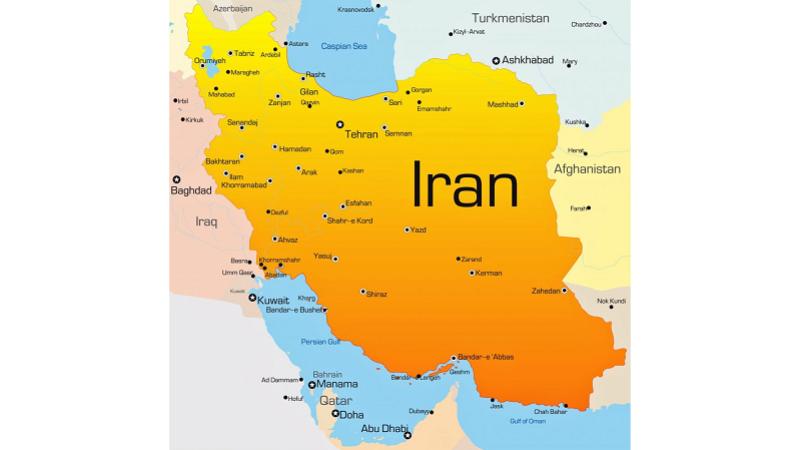
Sep 05, Kathmandu - Iran faces growing international pressure as the United States, the United Kingdom, France, and Germany prepare a proposal to the United Nations Security Council, accusing Tehran of failing to adhere to nuclear regulations. Diplomatic sources indicate that the proposal could be discussed by the governing body of the International Atomic Energy Agency (IAEA).
Under existing agreements, Iran is required to disclose all nuclear materials and activities and allow international inspectors access to verify that these are for peaceful purposes. However, the US and European partners allege that Iran has not provided sufficient cooperation or transparency regarding its nuclear activities and inspections.
The issue has become increasingly complex since 2025 when the IAEA’s governing body formally found Iran non-compliant with nuclear rules — the first such decision against Iran in nearly two decades. Following this, tensions escalated after attacks on Iranian nuclear facilities by the US and Israel. Iran has so far refused to grant inspectors access to certain nuclear sites and has not fully disclosed the status of enriched uranium there, according to the IAEA.
If the new proposal is adopted, Iran’s nuclear matter will be brought before the Security Council, which could impose sanctions, freeze assets, and take other legally binding measures. However, Russia and China, both permanent members of the Security Council and allies of Iran, may exercise their veto rights, raising uncertainties about the potential for tougher actions against Iran.
The four countries behind the proposal emphasize the importance of maintaining diplomatic avenues alongside increased pressure on Iran. They stress that dialogue and diplomatic efforts should continue to address international concerns over Iran’s nuclear program.
Iran denies allegations that it is seeking to develop nuclear weapons. Analysts suggest that the new proposal could intensify international pressure on Iran and escalate tensions with the US and European nations.
















 Indian Rupee
 U.S. Dollar
 European Euro
 UK Pound Sterling
 Swiss Franc
 Australian Dollar
 Canadian Dollar
 Singapore Dollar
 Japanese Yen
 Chinese Yuan
 Saudi Arabian Riyal
 Qatari Riyal
 Thai Baht
 UAE Dirham
 Malaysian Ringgit
 South Korean Won
 Swedish Kroner
 Danish Kroner
 Hong Kong Dollar
 Kuwaity Dinar
 Bahrain Dinar