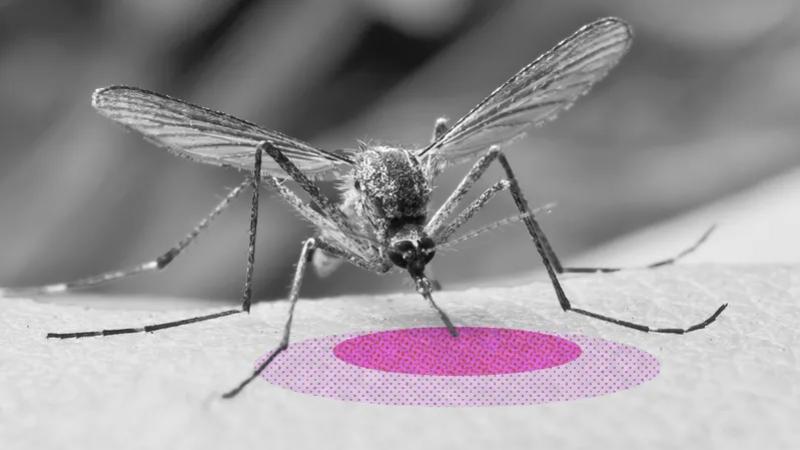
Aug 23, Kathmandu - Nepal’s Family Welfare Department has issued an urgent warning as the number of Japanese Encephalitis (JE) infections and related deaths continues to rise, primarily transmitted through mosquito bites from the Culex species. According to the latest report, confirmed cases have been detected in 25 districts across 59 local levels, with a total of 80 laboratory-confirmed patients.
A recent press release from the Family Welfare Department highlights that 86% of the confirmed patients have not received the JE vaccine. Tragically, 21 individuals out of those infected have succumbed to the disease, all of whom had not been vaccinated.
The districts most affected include Jhapa with 10 cases, followed by Kailali and Morang with seven each, Saptari and Kanchanpur with six each, and Chitwan, Sunsari, and Nawalparasi East with five each. While primarily concentrated in Terai and inner Madhes regions, cases have also been reported in hill districts such as Ilam, Kavrepalanchok, Kathmandu, Sindhuli, and Surkhet.
JE is mainly transmitted through mosquito bites from the Culex species, which breed in rice fields and pig farms. The health department notes that the virus can spread from infected animals such as pigs, buffaloes, and ducks to humans, especially when bitten by mosquitoes that have fed on these animals. The disease has a high fatality rate, with one in three infected individuals dying, and survivors often facing long-term neurological disabilities.
Symptoms such as high fever, severe headache, unconsciousness, seizures, or altered mental states require immediate medical attention. The Department urges affected individuals to seek prompt treatment at nearby health facilities without delay.
Statistics reveal that 64% of confirmed cases are among individuals over 15 years old, and 81% of deaths involve those over 50. Of the 80 confirmed cases this year, 43 are male and 37 female.
Preventative measures include avoiding mosquito bites and getting vaccinated. The department emphasizes that JE vaccination is highly effective and is administered to children aged 12 months and above, with booster doses given up to age five if missed. Dr. Abhiyan Gautam, Head of Child Health and Vaccination Branch under the Family Welfare Department, stressed the importance of vaccination as a crucial step in disease prevention and urged parents to ensure their children are vaccinated promptly.















 Indian Rupee
 U.S. Dollar
 European Euro
 UK Pound Sterling
 Swiss Franc
 Australian Dollar
 Canadian Dollar
 Singapore Dollar
 Japanese Yen
 Chinese Yuan
 Saudi Arabian Riyal
 Qatari Riyal
 Thai Baht
 UAE Dirham
 Malaysian Ringgit
 South Korean Won
 Swedish Kroner
 Danish Kroner
 Hong Kong Dollar
 Kuwaity Dinar
 Bahrain Dinar