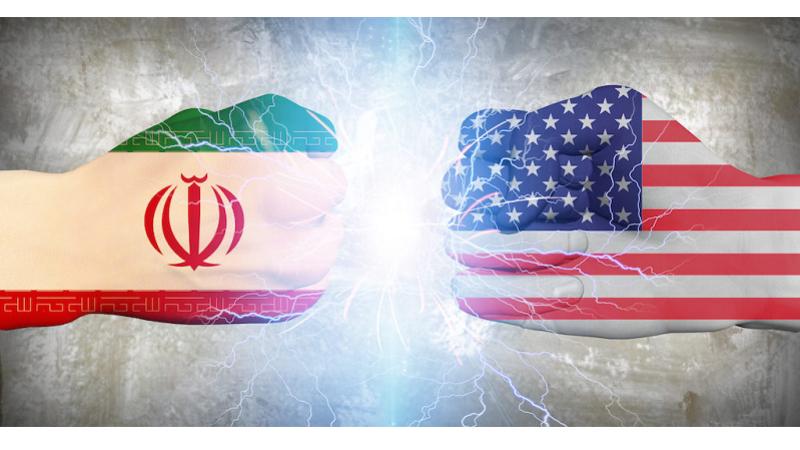
May 28, Kathmandu - Following renewed US military strikes in southern Iran, Iran’s Islamic Revolutionary Guard Corps (IRGC) has claimed responsibility for targeting American military installations. The IRGC has not disclosed the precise location of the attack.
The United States, operating from bases in Kuwait, has reported intercepting hostile missiles and drones but has not specified where the attacks originated. Earlier, US forces announced that Iranian drones were shot down near the Hormuz Strait and that a military site in the strategic port city of Bandar Abbas was targeted.
These resumed military actions have heightened tensions between the US and Iran, threatening an already fragile ceasefire. Over the past three days, the US has launched a second round of strikes on Iran, claiming they were acts of self-defense.
According to U.S. Central Command (CENTCOM), the strike in Bandar Abbas targeted a site preparing for drone attacks, with Iranian sources reporting explosions in the city’s eastern areas. CENTCOM emphasized that their actions are balanced, fully defensive, and aimed at maintaining the ceasefire.
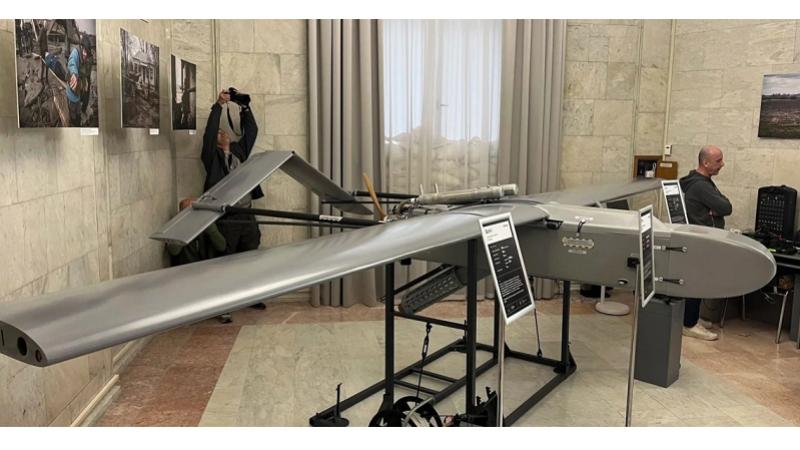
The US also claims to have downed four Iranian suicide drones around the Hormuz region, which posed additional threats. Iran has condemned the US strikes as a serious violation of the ceasefire and has warned that any hostile activities will meet a response.
Meanwhile, US President Donald Trump expressed dissatisfaction with ongoing negotiations with Iran, indicating that no agreement has yet been reached.
Earlier, the US confirmed that its recent self-defense strikes targeted Iranian missile sites and vessels attempting to lay explosives in the Persian Gulf’s strategic region. These conflicts have disrupted thousands of commercial tankers, impacting global oil and gas trade.
Iran's Foreign Ministry spokesperson, Ismail Baghai, stated that Tehran continues to collect fees for transit services through the Strait and will maintain its management in the future. US Treasury officials have warned that ships paying these fees could also face sanctions.
Nearly one-fifth of the world's liquefied natural gas and oil typically pass through this vital waterway, and disruptions have caused a surge in global energy prices.
Iran has responded by accusing the US of violating the ceasefire and has issued warnings of repercussions for any hostile activities.
Amidst these tensions, US Secretary of the Treasury Scott Bessent labeled Iran's recent military pressure as evidence of cash shortages and economic strain.
Iran claims to have shot down a US drone and fired at an Iranian fighter jet and another drone, although the timing of these incidents remains unclear.
The ongoing maritime tensions in the Strait of Hormuz, which have lasted over three months, continue to impact global shipping and energy markets, fueling calls for long-term negotiations to end the conflict.
During a Cabinet meeting, President Trump asserted that Iran is desperate to negotiate and that upcoming US midterm elections in November will not affect America’s military strategy. He warned that if negotiations fail, the US is prepared to resume military operations.
Trump also urged Gulf nations to participate in the Abraham Accords to normalize relations with Israel.
Israel, which launched a joint attack with the US against Iran in February, remains engaged in conflicts with Iranian-backed Hezbollah in Lebanon.
Trump has warned that if Iran does not accept US terms, a broad bombing campaign could be reinitiated. Although he previously indicated that a peace deal was close, recent statements suggest that negotiations are still far from conclusion.
Iranian state television recently leaked a draft agreement on reopening the Strait of Hormuz and withdrawing US forces from the region, which the White House quickly dismissed as fabricated.
Both sides had hinted at progress last week, raising hopes for an imminent announcement, but Tehran later clarified that no immediate deal was forthcoming. Trump has urged his negotiators to remain patient but firm, emphasizing that Iran is eager to reach an agreement but remains unable to do so.
In his recent remarks, Trump stated, "They want a deal, and frankly, they have no other options. We’ll see how it unfolds."














 Indian Rupee
 U.S. Dollar
 European Euro
 UK Pound Sterling
 Swiss Franc
 Australian Dollar
 Canadian Dollar
 Singapore Dollar
 Japanese Yen
 Chinese Yuan
 Saudi Arabian Riyal
 Qatari Riyal
 Thai Baht
 UAE Dirham
 Malaysian Ringgit
 South Korean Won
 Swedish Kroner
 Danish Kroner
 Hong Kong Dollar
 Kuwaity Dinar
 Bahrain Dinar