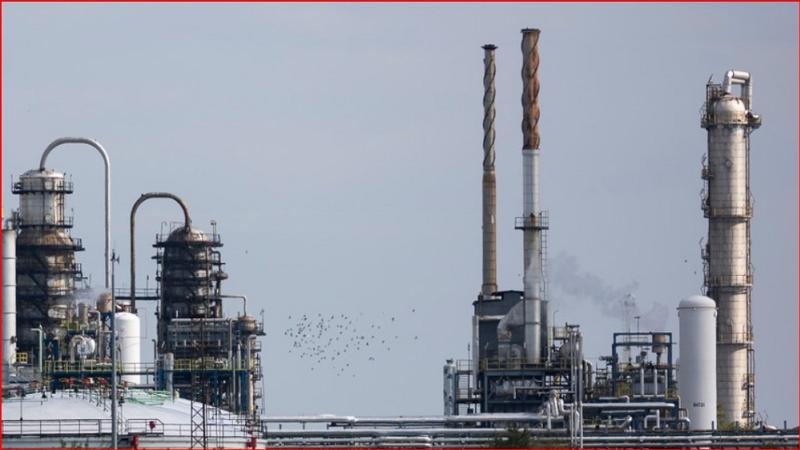
Mar 06, Kathmandu - In a move aimed at reducing potential disruptions in the global energy market amid ongoing US sanctions against Russia, the United States has granted a temporary permit for India to purchase Russian oil stranded at sea. The US government announced this decision on Thursday, providing a limited exemption from existing sanctions.
The Office of Foreign Assets Control (OFAC), part of the US Department of the Treasury, issued a special license allowing the shipment and sale of Russian crude oil and petroleum products loaded onto ships before March 5, 2026, to be delivered to India. According to the department, transactions related to this oil will remain valid until April 3, 2026.
US Secretary of the Treasury, Janet Yellen, clarified that this temporary exemption is intended to ensure the continuous supply of oil in global markets. She emphasized that the decision is unlikely to provide significant financial benefits to the Russian government, as the permit only pertains to limited transactions involving the already stranded oil at sea.
Yellen, posting on social media platform X (formerly Twitter), expressed confidence that this interim measure would ease some of the pressures on the energy markets. She also noted that the sale to India could help reduce tensions caused by Iran's efforts to manipulate global energy supplies.
Although India has previously committed to gradually phasing out Russian oil purchases as part of its trade agreements with the US, this temporary permit addresses the management of the stranded oil at sea.
Earlier, in November, US President Donald Trump imposed strict sanctions on Russia’s major oil companies, Lukoil and Rosneft, in response to Russia’s invasion of Ukraine. These sanctions were among the most severe measures taken by the Trump administration against Russia at that time.
Following the sanctions, leading Russian oil buyers intensified efforts to find alternative suppliers, amid rising uncertainty in the energy markets. Countries worldwide have been exploring alternative routes and sources to secure energy supplies.
Meanwhile, since Moscow’s invasion of Ukraine in 2022, the US, European Union, and G7 nations have imposed broad sanctions on Russia. To circumvent these restrictions, Russia has reportedly operated a large fleet of old, opaque-titled oil tankers, according to international analysts.















 Indian Rupee
 U.S. Dollar
 European Euro
 UK Pound Sterling
 Swiss Franc
 Australian Dollar
 Canadian Dollar
 Singapore Dollar
 Japanese Yen
 Chinese Yuan
 Saudi Arabian Riyal
 Qatari Riyal
 Thai Baht
 UAE Dirham
 Malaysian Ringgit
 South Korean Won
 Swedish Kroner
 Danish Kroner
 Hong Kong Dollar
 Kuwaity Dinar
 Bahrain Dinar