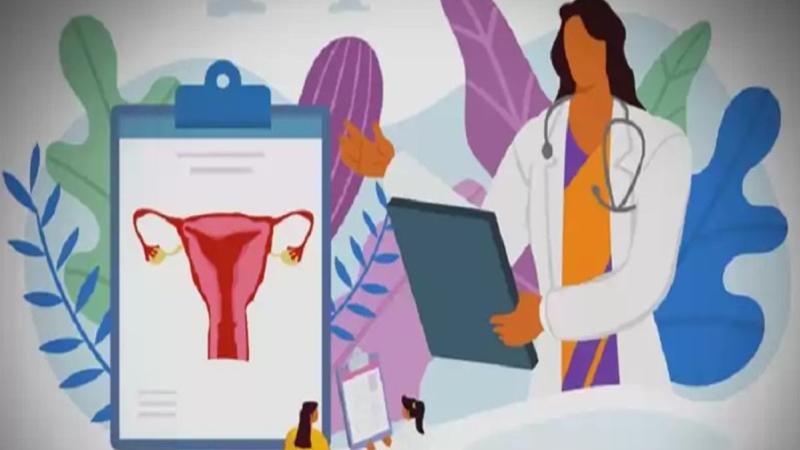
Feb 24, Kathmandu - During the recent Universal Periodic Review (UPR) at the United Nations, member states called on Nepal to fully implement recommendations related to reproductive health rights. The review, conducted by the Office of the High Commissioner for Human Rights, highlighted the need for Nepal to ensure safe motherhood, sexual and reproductive health rights, and equitable access to safe abortion services, especially for women, children, adolescents, and sexual minorities.
The review's fourth cycle saw 47 countries urging Nepal to decriminalize abortion, guarantee safe and dignified maternity services, and provide equal access to reproductive healthcare for all, including marginalized groups. Nepal submitted its national report in 2025 and received a separate report from civil society organizations.
Under the review process, which occurs every four and a half years, 193 UN member states take turns presenting human rights reports and offering recommendations. Other countries then provide suggestions for improvement.
Recommendations emphasized expanding comprehensive sexuality education, preventing adolescent pregnancies and child marriages, and implementing effective national strategies to eliminate discrimination based on gender identity, especially regarding abortion access.
Legal experts have pointed out existing gaps in Nepal’s legal framework. Advocate Nawin Shrestha noted inconsistencies between the Safe Motherhood and Reproductive Rights Act and the Muluki Code, which have led to women and adolescents facing penalties and discrimination. He also highlighted that respectful and dignified childbirth services are still lacking, with reports of mistreatment in hospitals.
Advocate Dipesh Shrestha called for reforming laws criminalizing consensual sexual relationships among adolescents, which currently criminalize relationships of those aged 18 and above, often resulting in rape charges. He emphasized that such laws hinder efforts to prevent adolescent pregnancies and child marriages.
Advocate Roshana Shrestha reminded that the recommendation to decriminalize abortion from the previous review has yet to be fully implemented. Presently, Nepal’s law permits abortion up to 12 weeks without restrictions and up to 28 weeks if the mother’s health is at risk. However, violations of these provisions, including late-term abortions, can lead to imprisonment and fines, which violate reproductive and human rights.
While the decision to implement or reject these recommendations lies with the government, stakeholders agree that immediate legal and policy reforms are essential to guarantee reproductive rights for all Nepalese.









 Indian Rupee
 U.S. Dollar
 European Euro
 UK Pound Sterling
 Swiss Franc
 Australian Dollar
 Canadian Dollar
 Singapore Dollar
 Japanese Yen
 Chinese Yuan
 Saudi Arabian Riyal
 Qatari Riyal
 Thai Baht
 UAE Dirham
 Malaysian Ringgit
 South Korean Won
 Swedish Kroner
 Danish Kroner
 Hong Kong Dollar
 Kuwaity Dinar
 Bahrain Dinar